What Are De-Extinction Projects and Can They Bring Back Lost Species?
De-extinction projects aim to resurrect extinct species using cutting-edge genetic science, promising ecological restoration but facing significant ethical and practical hurdles.
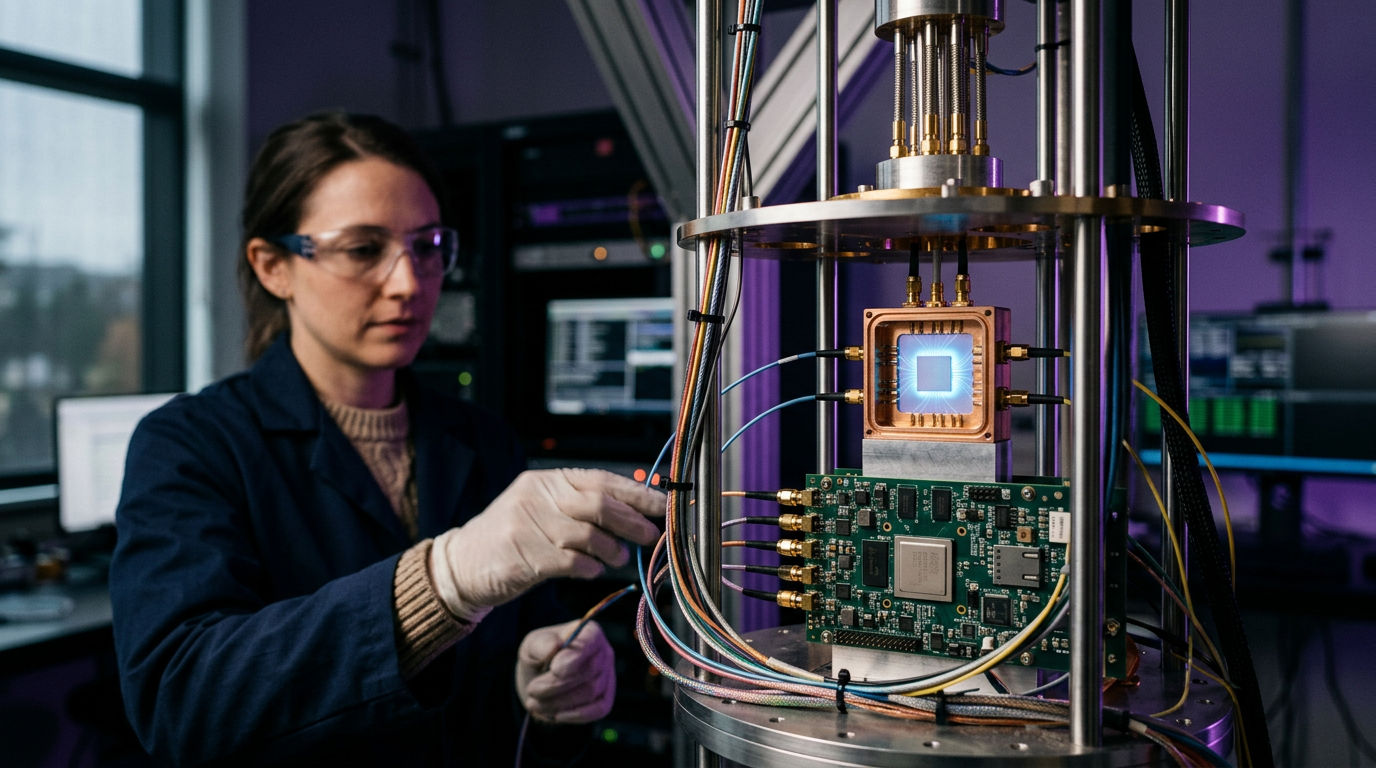
De-extinction projects are ambitious scientific initiatives that seek to bring back species that have died out, often centuries or millennia ago. These projects leverage advanced biotechnologies such as ancient DNA extraction, genetic engineering, and reproductive cloning to recreate proxies for extinct animals or to revive organisms directly. The primary goal is often to restore lost biodiversity, re-establish ecological functions, and correct historical human-induced extinctions, though the path is fraught with complex scientific, ethical, and environmental considerations.
What Exactly is De-Extinction?
De-extinction, also known as resurrection biology, refers to the process of creating an organism that is either an exact genetic copy of an extinct species or a closely related proxy. It's a field at the convergence of genetics, ecology, and conservation biology, moving beyond simply preserving endangered species to actively reversing their disappearance. The concept has captured public imagination, fueled by science fiction, but modern scientific efforts are grounded in the tangible advancements in DNA sequencing and synthetic biology. These projects often focus on species that have recently vanished or those with significant ecological roles.
The underlying motivation for de-extinction varies, ranging from addressing past human impacts on biodiversity to developing novel approaches to conservation. For instance, the extinction of megafauna like the woolly mammoth led to significant changes in Arctic ecosystems, and some proponents argue their return could help restore historical grassland environments and even mitigate climate change by influencing permafrost stability. However, critics argue resources might be better spent on preventing current extinctions.
How Do Scientists Attempt to Bring Back Extinct Species?
Scientists employ several primary methods in de-extinction projects, each with varying degrees of feasibility and ethical implications. These methods rely heavily on advancements in molecular biology and reproductive technology.
The most discussed methods include back-breeding, cloning, and genetic engineering (also called genome editing). Back-breeding involves selectively breeding living descendant species to bring out traits reminiscent of an extinct ancestor. This has been attempted for species like the aurochs, using modern cattle breeds. Cloning, as famously achieved with 'Dolly the sheep,' requires a perfectly preserved cell nucleus from the extinct species. This is then inserted into an enucleated egg cell of a close living relative, which is then implanted into a surrogate mother. However, intact cells from long-extinct animals are exceptionally rare.
Genetic engineering, primarily using tools like CRISPR-Cas9, is considered the most promising method for species that have been extinct for a longer duration. This involves extracting degraded DNA fragments from fossil remains, digitally assembling the genome, and then editing the genome of a closely related living species to incorporate the key genes responsible for the extinct animal's unique traits. For example, George Church and his team at Harvard University are using this method to introduce mammoth genes (e.g., for cold resistance, hair density) into the Asian elephant genome.
| Method | Description | Feasibility | Genetic Identity Match |
|---|---|---|---|
| Back-Breeding | Selective breeding of existing species to resemble extinct ancestors | High (limited genetic fidelity) | Low (phenotypic similarity only) |
| Cloning | Nuclear transfer from extinct cell into living relative's egg | Low (requires intact cell) | High (if successful) |
| Genetic Engineering (Gene Editing) | Editing living relative's genome with extinct species' genes | Medium (requires viable DNA fragments) | Medium-High (hybrid/proxy) |
Key Species Targeted for De-Extinction
Several high-profile species are at the forefront of de-extinction efforts, chosen for various reasons including scientific potential, ecological significance, and public appeal.
The <b>Woolly Mammoth</b> (Mammuthus primigenius) is arguably the most famous candidate. Efforts led by companies like Colossal Biosciences and academic institutions aim to create 'mammoth-like elephants' by editing Asian elephant DNA. The goal is to bring back a cold-adapted animal that could help restore Arctic tundra ecosystems by compacting snow and promoting grassland growth. These efforts, supported by approximately USD 75 million in private funding, project a first 'calf' within the next decade, though substantial biological hurdles remain.
“The idea isn't just to bring back a charismatic megafauna; it's to rewild the Arctic, to restore an ecosystem that once thrived and could help combat climate change.”
Another prominent target is the <b>Passenger Pigeon</b> (Ectopistes migratorius), which was once the most abundant bird in North America before being hunted to extinction in the early 20th century. Spearheaded by The Great Passenger Pigeon Comeback project (Revive & Restore), scientists are attempting to use DNA from museum specimens to edit the genome of its closest living relative, the band-tailed pigeon. The aim is to restore its forest-cycling ecological role across vast swathes of the eastern United States.
Other notable candidates include the <b>Thylacine</b> (Tasmanian Tiger), an Australian carnivorous marsupial, and the <b>Pyrenean Ibex</b>, which was briefly cloned in 2003, though the clone survived only a few minutes due to lung defects. These initiatives highlight the diverse motivations behind de-extinction, from ecological engineering to preserving unique genetic lineages.
Challenges and Ethical Considerations
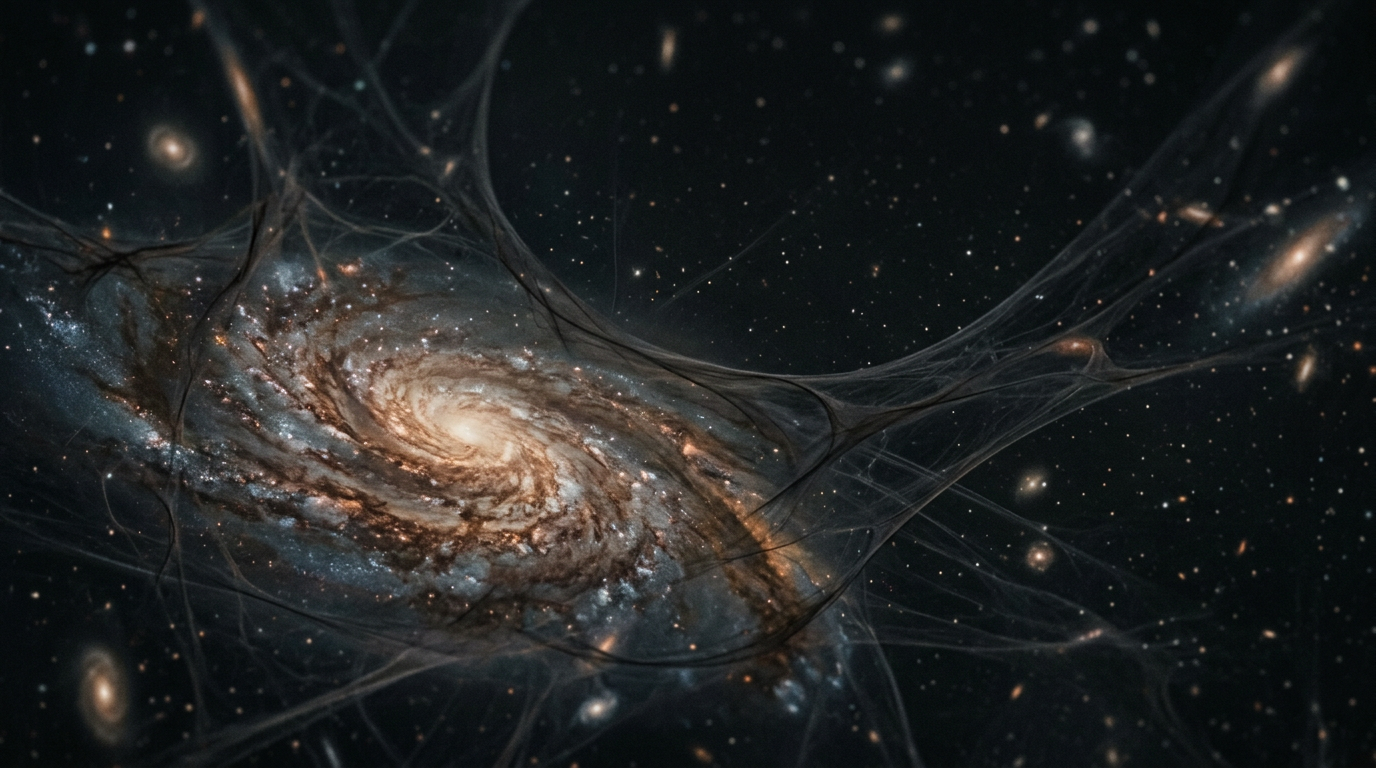
Despite the scientific marvels, de-extinction projects face formidable challenges and provoke deep ethical debates. From a technical standpoint, obtaining complete, high-quality DNA from extinct specimens is a significant hurdle. Even with CRISPR technology, identifying and accurately editing all the relevant genes to recreate a functional, viable organism is incredibly complex. Successfully bringing an embryo to term and ensuring its healthy development requires suitable surrogate mothers, which themselves are often endangered species, adding another layer of complexity.
Public Sentiment Towards De-Extinction (Global Survey 2023)
Ethical concerns are equally profound. Critics question whether humans have the right to 'play God' and manipulate nature to this extent. There are worries about animal welfare, particularly the potential for cloned animals to suffer from health issues or deformities, as seen with early cloning attempts. Furthermore, the ecological impact of reintroducing extinct species is largely unknown. Would a revived species find a suitable habitat? Would it compete with or displace existing species? Could it even introduce new pathogens? The financial costs are also immense; an estimated USD 15-20 million could be required per species, diverting funds from conventional conservation, which currently saves species from immediate threats. A 2023 survey indicated that 22% of conservation biologists expressed strong reservations about the ecological ramifications of releasing de-extinct species into modern ecosystems.
Legal and regulatory frameworks for de-extinct species are also largely non-existent. Questions about legal ownership, conservation status, and potential harm to other species remain unanswered, especially under existing legislation like the US Endangered Species Act or the EU Habitats Directive, which are not designed for 'created' species.
The Future of Resurrection Biology
Despite the hurdles, research into de-extinction continues to advance, bringing with it both hope and controversy. While a fully identical revival of a species like the Tyrannosaurus Rex is scientifically impossible due to DNA degradation over millions of years, the creation of functional ecological proxies for more recently extinct animals seems increasingly plausible. These efforts are not just about bringing back individual animals; they are also pushing the boundaries of genetic science, offering new tools for biodiversity conservation, disease resistance in existing species, and even human medicine through understanding ancient adaptations.
The next decade will likely see significant progress in gene-editing efficiency and reproductive technologies, possibly leading to the first successful 'births' of mammoth-like and passenger pigeon-like creatures. However, their ultimate success will depend not only on scientific breakthroughs but also on careful ethical deliberation, public acceptance, and robust ecological planning to ensure these incredible creations can thrive without inadvertently harming the delicate balance of our planet's existing ecosystems.
Frequently asked questions
Is de-extinction truly possible?
While recreating a genetically identical extinct organism remains incredibly challenging, creating a 'proxy' species that shares key traits and ecological functions with an extinct one is becoming increasingly plausible. This relies on advanced genetic engineering and cloning techniques applied to closely related living species.
What are the main benefits of de-extinction?
Proponents argue de-extinction could restore lost biodiversity, re-establish crucial ecological functions in modified ecosystems, and offer new insights into genetic resilience and evolutionary biology. It could also mitigate some impacts of past human-induced extinctions.
What are the biggest risks of de-extinction?
Key risks include the immense financial cost diverting funds from current conservation efforts, potential unknown ecological impacts on existing species and habitats, ethical concerns surrounding animal welfare, and the possibility of creating organisms ill-suited for modern environments.
Which extinct animals are most likely to be brought back?
The most likely candidates are species that have been extinct relatively recently and have well-preserved DNA, such as the woolly mammoth (using Asian elephants as surrogates), the passenger pigeon (using band-tailed pigeons), and the thylacine (Tasmanian tiger).
How long until we see a de-extinct animal?
Some projects, like those focused on the woolly mammoth, project the birth of a 'mammoth-like' calf within the next 5-10 years. However, these are highly optimistic timelines, and successfully integrating such an animal into an ecosystem would take decades longer.
Is de-extinction the same as conservation?
No, traditional conservation focuses on preventing existing species from going extinct and protecting their habitats. De-extinction, conversely, aims to reverse past extinctions. While both can contribute to biodiversity, they use different approaches and resources.
How did this land?
Related Reading
The Nautilus Project: A Case Study in Deep-Sea Mining's Environmental Costs
Examine the Nautilus Project's failed venture in Papua New Guinea to understand the complex ecological and economic challenges of deep-sea mining.
7 min read
The Complete Guide to Dark Matter: Unveiling the Universe's Hidden Mass
Explore the enduring mystery of dark matter, its compelling evidence, and the global scientific quest to identify this elusive cosmic component.
8 min read

Everything You Need to Know About mRNA Vaccines
This definitive guide explains how messenger RNA technology works, its rapid development, safety profile, and its revolutionary potential beyond infectious diseases like COVID-19.
7 min read
More by this writer — Dr. Eleanor Vance
→Featured Research

A Comparison: Intermittent Fasting vs. Caloric Restriction for Longevity
7 min read
25 EU AI Act Statistics You Should Know in 2026
12 min read

Robo-Advisors vs. Human Financial Advisors: Which Is Right for You?
7 min read

What Defines a Circular Economy and How Does It Benefit Business?
5 min read