What Is Cultural Tourism and Why Does It Matter in 2026?
Cultural tourism, a significant and rapidly evolving travel segment, focuses on experiencing the unique heritage, arts, and traditions of a destination.
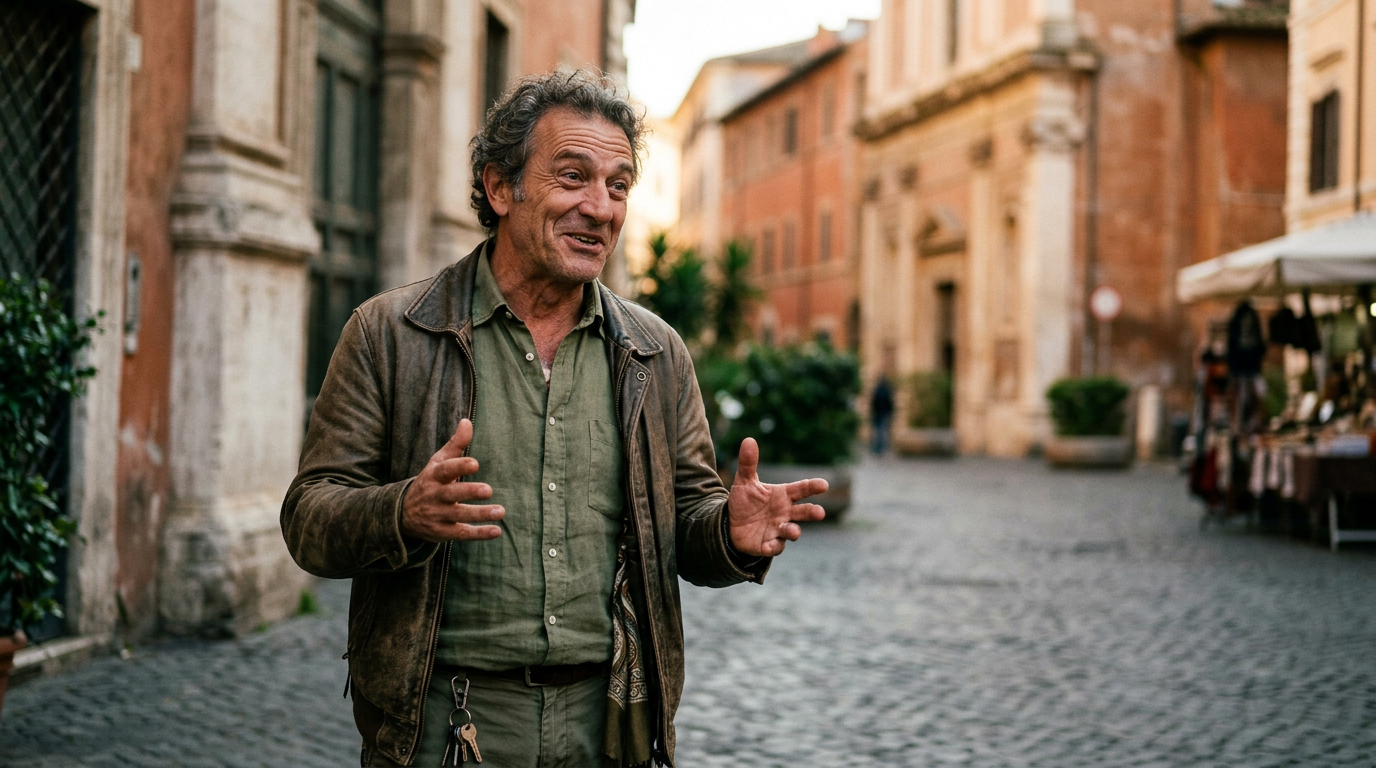
Cultural tourism, at its core, is a travel segment driven by a desire to explore the unique heritage, arts, traditions, and lifestyles of a specific place or people. It involves engaging with a destination’s authentic self, moving beyond superficial sightseeing to delve into its history, architecture, cuisine, rituals, and contemporary social fabric. In 2026, this sector is not just about visiting museums or historical sites; it encompasses a broader experiential journey aimed at personal growth, understanding, and meaningful connection with local communities and their distinct identities.
What Is the Definition of Cultural Tourism?
Cultural tourism is broadly defined as travel undertaken specifically to learn about, appreciate, and consume the tangible and intangible assets of a culture. Tangible assets include historical sites, museums, art galleries, and architectural marvels. Intangible assets, meanwhile, encompass local festivals, traditional music and dance, artisanal crafts, culinary practices, and indigenous languages. The World Tourism Organization (UNWTO) highlights that cultural tourism often involves a direct interaction with the local population, promoting intercultural exchange and mutual understanding.
This form of tourism has evolved significantly from its early focus on grand tours of European landmarks. Today, it embraces a diverse array of experiences, from attending a traditional Indigenous ceremony in Australia’s Northern Territory to participating in a cooking class in Tuscany, or exploring the vibrant street art scene of Melbourne. The common thread is an active pursuit of cultural immersion rather than passive observation.
Why Has Cultural Tourism Gained Prominence?
The rising prominence of cultural tourism can be attributed to several converging factors. Post-pandemic, there has been a global shift towards more meaningful and conscious travel, with holidaymakers seeking experiences that offer personal enrichment and connection. According to a 2025 report by Statista, approximately 65% of international travellers now consider cultural authenticity a key factor when choosing a destination, up from 48% a decade ago. This reflects a broader societal trend away from mass tourism towards niche, experiential travel.
Furthermore, increased global connectivity through digital platforms has made diverse cultures more accessible and appealing. Documentaries, social media, and travel blogs showcase unique cultural experiences, inspiring potential tourists. Economic factors also play a role; in an increasingly globalised world, people are keen to explore and support distinct local identities before they are diluted. This quest for authenticity drives significant investment into cultural preservation efforts in regions relying on this type of tourism.
“Cultural tourism allows us to step outside our comfort zones and truly understand the fabric of another society. It's not just about seeing; it's about feeling, tasting, and living a different reality, even for a short while, fostering unparalleled empathy.”
What Are the Economic Impacts of Cultural Tourism?
The economic ripple effect of cultural tourism is substantial, providing direct and indirect benefits to local communities and national economies. Direct benefits include revenue generation through ticket sales to cultural sites, handicraft purchases, spending on culinary experiences, and accommodation. For instance, in 2024, the UK's heritage tourism sector contributed an estimated £32 billion (approximately USD 40 billion) to the national GDP, supporting over 600,000 jobs, as per data from Historic England.
Indirectly, cultural tourism stimulates growth in ancillary industries such as transportation, retail, and hospitality. It encourages the preservation and restoration of historic buildings and sites, which might otherwise fall into disrepair. In India, for example, government initiatives like the PRASAD scheme (Pilgrimage Rejuvenation and Spiritual Augmentation Drive) have leveraged cultural and religious tourism to develop infrastructure and create thousands of jobs in previously underserved regions. This sustainable model empowers local artisans, guides, and small business owners, ensuring tourism revenue circulates within the community.
| Country | Direct Economic Contribution (USD Billion) | Jobs Supported (Thousands) | Percentage of Total Tourism Revenue |
|---|---|---|---|
| United Kingdom | 40.0 | 600 | 28% |
| France | 55.0 | 850 | 35% |
| Italy | 48.0 | 700 | 30% |
| Australia | 22.0 | 300 | 20% |
| India | 25.0 | 450 | 25% |
How Does Cultural Tourism Aid Heritage Preservation?
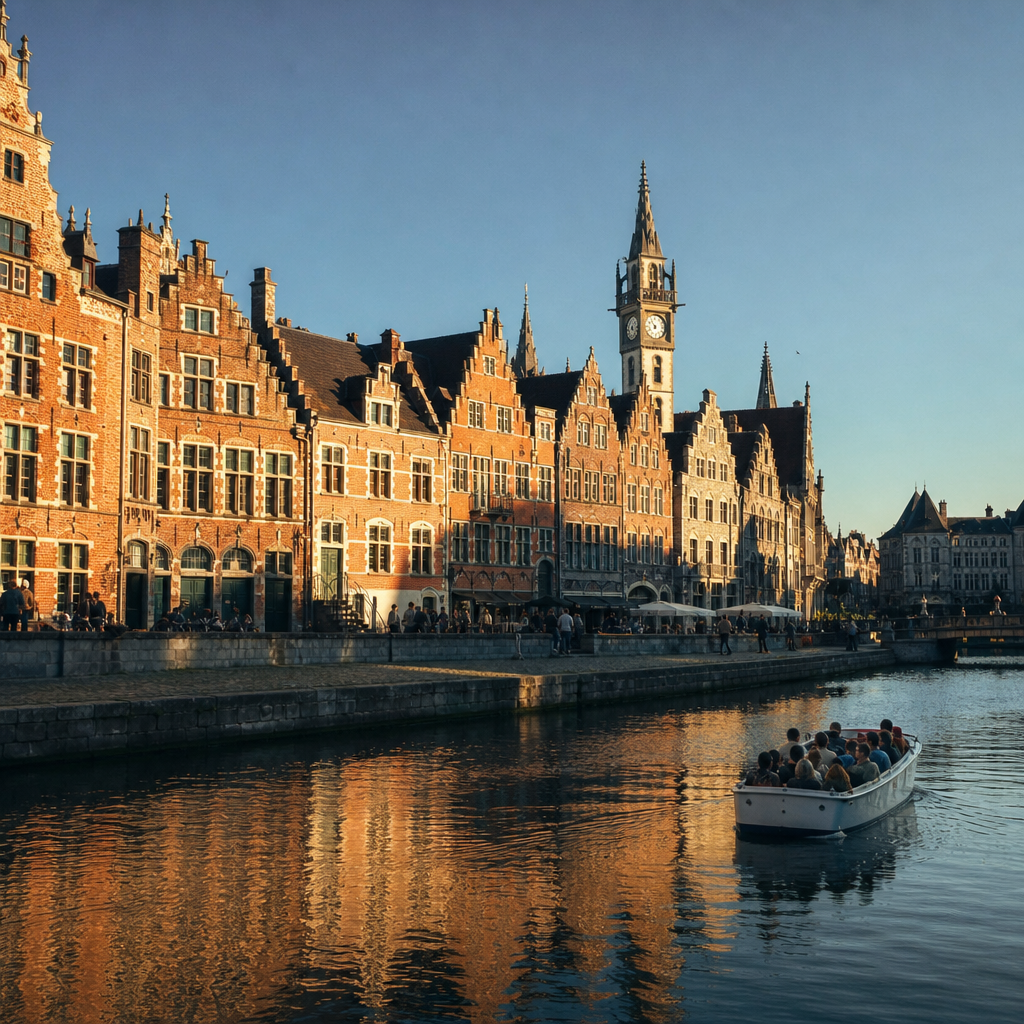
One of the most critical aspects of cultural tourism is its role in heritage preservation. By generating economic value from cultural assets, it creates a powerful incentive for their conservation. UNESCO World Heritage Sites, for instance, often attract significant tourist numbers, which in turn brings funding for maintenance, restoration, and safeguarding efforts. The Angkor Wat complex in Cambodia, a prime example, relies heavily on tourism revenue to protect its ancient temples from environmental decay and human impact. Without such funding, many invaluable historical and archaeological sites would be at risk.
Beyond tangible heritage, cultural tourism also helps preserve intangible cultural practices. Local communities can monetise their traditional crafts, performances, and culinary skills, ensuring these practices remain vibrant and are passed down through generations. Initiatives supporting Aboriginal art centres in Australia’s remote communities, for instance, not only provide income but also play a vital role in preserving ancient storytelling and artistic traditions. This reciprocity fosters a sense of pride and ownership among local populations, strengthening their commitment to cultural continuity.
What Are the Challenges and Criticisms?
Despite its numerous benefits, cultural tourism faces significant challenges, particularly concerning sustainability and the potential for cultural commodification. Over-tourism, where too many visitors strain local infrastructure and degrade cultural sites, is a pressing concern. Venice, Italy, and Amsterdam, Netherlands, have implemented measures such as visitor caps and increased tourist taxes to combat the detrimental effects of excessive crowds on historical areas and local quality of life.
Cultural commodification, the process where cultural elements are transformed into marketable goods or services, can dilute authenticity and lead to tokenism. Critics argue that when local customs are primarily performed for tourist consumption, they risk losing their original meaning and sacredness. Balancing economic opportunity with cultural integrity requires careful planning, community involvement, and adherence to ethical tourism principles, often guided by organisations like the Global Sustainable Tourism Council (GSTC).
Rise in Demand for Authentic Cultural Experiences (Global Survey)
Where to Start with Cultural Tourism?
For those looking to embark on a cultural tourism journey, research is paramount. Start by identifying destinations known for their rich history and vibrant cultural scene. Consider places with UNESCO World Heritage status or those celebrated for specific intangible heritage forms, like music or culinary traditions. Engage with reputable tour operators that specialise in authentic experiences and prioritise ethical engagement with local communities.
Embrace slow travel, which allows for deeper immersion, rather than rushing through multiple sites. Learn a few phrases of the local language, respect local customs and dress codes, and seek out small, locally-owned businesses for your purchases. Attending local festivals, participating in workshops (e.g., pottery, weaving), and exploring less-trodden paths can lead to the most profound cultural encounters. Remember, cultural tourism is not just about where you go, but how you engage with the world upon arrival.
Frequently asked questions
What is the primary motivation for cultural tourists?
The primary motivation for cultural tourists is to gain a deeper understanding and appreciation of a destination’s unique history, art, heritage, and way of life. They seek authentic experiences that offer personal enrichment and connection, moving beyond mere sightseeing to engage with local communities and their traditions.
How does technology influence cultural tourism in 2026?
In 2026, technology significantly enhances cultural tourism through virtual reality (VR) and augmented reality (AR) experiences that offer immersive previews of sites or add interactive layers to in-person visits. Mobile apps provide guided tours and historical context, while social media platforms act as powerful tools for discovery and sharing authentic cultural encounters, inspiring others to travel.
What are some examples of intangible cultural heritage in tourism?
Intangible cultural heritage in tourism includes elements like traditional music and dance performances, local culinary practices and food festivals, storytelling sessions, artisanal craft workshops, and indigenous language immersion programs. These experiences allow tourists to engage directly with living traditions.
Can cultural tourism be sustainable?
Yes, cultural tourism can be highly sustainable if meticulously planned and managed. This involves strategies such as promoting off-season travel, encouraging respectful visitor behaviour, reinvesting tourism revenue into local communities and heritage sites, and collaborating with local populations to ensure their traditions are preserved authentically and not commodified.
What is the difference between heritage tourism and cultural tourism?
Heritage tourism is a specific subset of cultural tourism that primarily focuses on visiting historical sites, monuments, and properties that represent past human activity. Cultural tourism is a broader category, encompassing heritage tourism but also including contemporary arts, local lifestyle, cuisine, festivals, and other living cultural expressions that may not necessarily be historical.
How did this land?
Related Reading
A 2026 Breakdown of Contemporary Abstract Art and Its Cultural Resonance
Explore the enduring appeal and varied expressions of abstract art, its market impact, and its profound cultural significance in the 21st century.
6 min read

9 Underrated European Cities for Art Lovers to Explore
Beyond the famed metropolises, Europe hides a treasure trove of art and culture, waiting to be discovered by intrepid aesthetes.
9 min read
More by this writer — Eleanor Vance
→
Featured Research

Vector Databases vs. Traditional Databases: Which Is Best for AI?
7 min read

Unearthing the Supercontinent Cycle: Earth's Rhythmic Reshaping
5 min read

5 Myths About Housing Affordability: Separating Fact From Fiction
6 min read

How to Cultivate Meaningful Friendships in Adulthood
7 min read