9 Underrated European Cities for Art Lovers to Explore
Beyond the famed metropolises, Europe hides a treasure trove of art and culture, waiting to be discovered by intrepid aesthetes.
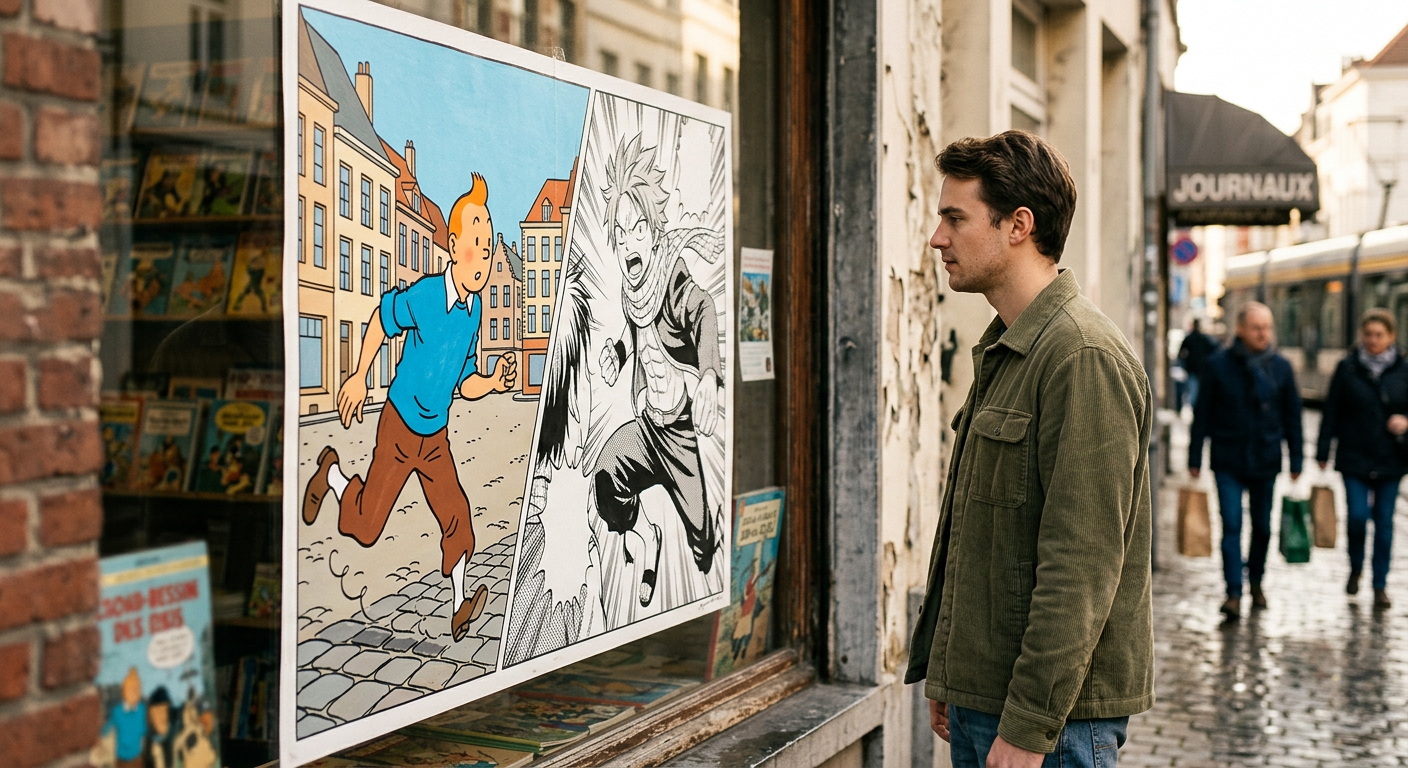
For art lovers seeking inspiration beyond the well-trodden paths of Paris, London, or Rome, Europe offers a wealth of underrated cities brimming with unique cultural experiences and emerging artistic vibrancy. These destinations provide intimate encounters with historic masterpieces, avant-garde installations, and flourishing local scenes, often at a fraction of the cost and without the overwhelming crowds. From post-industrial rejuvenation creating new gallery spaces to ancient capitals fostering contemporary talent, these nine European gems invite exploration for those who appreciate art in all its forms.
1. Leipzig, Germany: The 'New Berlin' Art Hotspot
Leipzig, often hailed as Germany's 'New Berlin,' has rapidly emerged as a significant hub for contemporary art. Its post-communist revival has seen disused industrial buildings repurposed into sprawling galleries and studios, attracting artists from across Europe. The city is renowned for the 'New Leipzig School,' an influential movement in painting that gained international recognition in the early 21st century. Key institutions like the Baumwollspinnerei, a former cotton mill now home to over 100 artist studios, galleries, and exhibition spaces, exemplify this transformation.
Beyond the Baumwollspinnerei, visitors can explore the Museum der bildenden Künste (Museum of Fine Arts), which boasts an impressive collection spanning from the Middle Ages to contemporary works, including significant pieces by the Leipzig School artists. The city's thriving street art scene, particularly in districts like Plagwitz and Lindenau, adds another layer to its artistic appeal, making it a dynamic destination for modern art aficionados. According to local cultural council reports, visitor numbers to Leipzig's independent galleries increased by 15% between 2022 and 2023, showcasing its growing appeal.
2. Valencia, Spain: Artistry from Ancient to Modern
Valencia, on Spain's southeastern coast, offers a captivating blend of historic and avant-garde art. While overshadowed by Barcelona's Modernisme, Valencia proudly showcases its own architectural marvels, most notably Santiago Calatrava's futuristic City of Arts and Sciences. This complex is a breathtaking example of contemporary design and houses an IMAX cinema, a science museum, and Europe's largest oceanarium, all works of art in themselves. It’s an essential visit for anyone interested in the intersection of art, science, and architecture.
Beyond its modern icons, the city's historic core, Barrio del Carmen, is a maze of medieval streets adorned with vibrant street art and home to the Valencia Institute of Modern Art (IVAM), one of Spain's leading contemporary art museums. The city also hosts the Fallas Museum, an intriguing insight into the elaborate, ephemeral sculptures created for the annual Fallas festival, demonstrating a unique form of folk artistry. Valencia's commitment to culture is evident, with public funding for new art initiatives rising by approximately 8% in the last fiscal year.
3. Antwerp, Belgium: Fashion, Diamonds, and Flemish Masters
Antwerp, a global diamond capital, also boasts a rich artistic heritage, particularly in fashion and Flemish Baroque painting. It was home to Peter Paul Rubens, whose magnificent works are displayed prominently in the Rubenshuis, his former home and studio, and the Cathedral of Our Lady. The city's Royal Museum of Fine Arts Antwerp (KMSKA) recently reopened after a decade-long renovation, offering an expansive collection stretching from medieval art to contemporary pieces.
For those with a penchant for contemporary design, Antwerp is renowned for its fashion scene, particularly the 'Antwerp Six,' influential fashion designers who emerged from the Royal Academy of Fine Arts in the 1980s. The MoMu Fashion Museum is a testament to this legacy, showcasing innovative designs and historical garments. The city's blend of high fashion, old masters, and cutting-edge design provides a diverse artistic landscape. Approximately 3 million tourists visit Antwerp annually, with a significant proportion drawn to its cultural offerings.
4. Porto, Portugal: Creative Energy by the Douro
Porto, often overshadowed by Lisbon, is a city bursting with creative energy, particularly in its revitalised art district of Miguel Bombarda. Here, independent galleries, alternative art spaces, and design shops proliferate, hosting regular exhibition openings that transform the street into a lively cultural event. The Serralves Foundation, home to one of Portugal's most important contemporary art museums and a stunning Art Deco villa, is a must-visit, offering a serene escape within a beautifully landscaped park.
The city's historic Ribeira district, a UNESCO World Heritage site, is also a visual feast, with its colourful houses cascading down to the Douro River, inspiring countless artists. Porto's burgeoning street art scene, a dynamic expression of local culture, can be found on many walls and facades, complementing the traditional azulejo tiles. The city's cultural programming has attracted a growing number of digital nomads and artists, with over 20 new galleries opening in the past five years.
5. Glasgow, Scotland: Industrial Heritage Meets Modern Art
Glasgow, Scotland's largest city, has shed its industrial past to become a vibrant centre for contemporary art and design. Long considered a European cultural capital, it boasts an impressive array of galleries and museums. The Glasgow School of Art, despite a devastating fire, remains a pivotal institution, fostering new talent. The city is home to the world-class Burrell Collection, featuring over 9,000 objects from ancient civilisations to impressionist paintings, beautifully housed in Pollok Country Park.
“Glasgow's art scene defies expectations; it's a testament to urban regeneration, where industrial architecture often provides the most exciting backdrops for challenging contemporary work.”
The city's commitment to public art is also noteworthy, with numerous outdoor sculptures and murals adding character to its streets. Major institutions like the Gallery of Modern Art (GoMA) and the Kelvingrove Art Gallery and Museum further solidify Glasgow's status as an artistic powerhouse. The city attracted approximately 740,000 unique international visitors in 2023, many seeking its rich cultural offerings.
6. Bologna, Italy: Medieval Splendour and Modern Innovation
Bologna, Italy's culinary capital, offers more than just exceptional food; it holds a profound artistic legacy, spanning from its medieval university traditions to a surprisingly robust contemporary art scene. The Pinacoteca Nazionale di Bologna houses a significant collection of Emilian art from the 13th to the 18th centuries, including works by masters like Giotto and Raphael. Its historic centre, with its porticoed streets and ancient towers, is a work of architectural art in itself, providing an atmospheric backdrop to contemporary explorations.
The city has also made a name for itself in modern street art and independent galleries, particularly in areas like the university district. Bologna hosts <a href="https://www.artefiera.it/">Arte Fiera</a>, one of Italy's oldest and most prestigious contemporary art fairs, attracting galleries and collectors from across Europe every January. The city consistently ranks among the top Italian cities for cultural engagement, with local government investments in arts programmes showing a 10% increase year-on-year.
7. Bristol, UK: Britain's Street Art Capital
Bristol, a vibrant port city in southwest England, is globally recognised as a hotbed of street art, largely due to its most famous, albeit anonymous, artistic son, Banksy. Beyond Banksy's indelible mark, the city boasts a thriving independent arts scene, characterised by numerous small galleries, creative co-operatives, and community art projects. The Arnolfini and Spike Island are two prominent contemporary art spaces that showcase innovative exhibitions from local and international artists.
The annual Upfest, Europe's largest street art festival, transforms whole neighbourhoods into an open-air gallery, drawing thousands of visitors and artists. Walking tours dedicated to street art are incredibly popular, offering insights into this dynamic urban art form. Bristol's unique blend of gritty industrial heritage, maritime history, and fiercely independent spirit fuels its distinct artistic identity, attracting close to 500,000 international visitors annually, many directly due to its artistic appeal.
8. Lodz, Poland: Industrial Revival Through Art
Lodz, once a textile industry powerhouse in Poland, has undergone a remarkable metamorphosis, reinventing itself as a creative hub with a focus on modern art, design, and film. The city's repurposed factories and weaving mills now house a vibrant array of cultural institutions, epitomised by Manufaktura, a massive revitalised industrial complex that includes museums, galleries, and entertainment venues. The Central Museum of Textiles is particularly noteworthy, celebrating the city's heritage while showcasing contemporary textile art.
Lodz is also home to the Muzeum Sztuki, one of the oldest and most significant collections of modern art in Europe, with works by artists such as Pablo Picasso and Fernand Léger, alongside a strong emphasis on Polish constructivism. The city's urban art trail, featuring large-scale murals by renowned artists, further cements its reputation as a canvas for contemporary expression. Since its revitalization efforts began in the early 2000s, Lodz has seen a 200% growth in its creative industries sector.
9. Basel, Switzerland: Boutique Culture on the Rhine
While Switzerland might evoke images of pristine mountains, Basel, nestled on the Rhine River, is a sophisticated cultural powerhouse often overlooked by those focusing on larger European capitals. It hosts Art Basel, arguably the world's most prestigious annual contemporary art fair, attracting global galleries, collectors, and artists every June. This event alone positions Basel at the epicentre of the art world, yet its everyday offerings are equally compelling.
The city boasts nearly 40 museums within a relatively small area, including the world-class Kunstmuseum Basel, which houses an impressive collection spanning seven centuries of art, from Hans Holbein to Pablo Picasso. The Fondation Beyeler, designed by Renzo Piano, offers exquisite exhibitions of modern and contemporary art in a beautiful park setting. Despite its high concentration of cultural institutions, Basel maintains a charming, intimate atmosphere, making its art accessible and enjoyable. Local tourism statistics indicate an average spend of approximately 350 CHF per cultural tourist per day, significantly boosting the local economy.
Growth in European Art City Cultural Tourism (Select Cities, 2019 vs 2023)
| City | Primary Art Focus | Key Institution Example | Average Daily Cultural Spend (Approx. EUR) |
|---|---|---|---|
| Leipzig, Germany | Contemporary (New Leipzig School) | Baumwollspinnerei | 120 |
| Valencia, Spain | Modern Architecture & Contemporary | City of Arts and Sciences | 110 |
| Antwerp, Belgium | Flemish Masters & Fashion | Royal Museum of Fine Arts Antwerp | 135 |
| Porto, Portugal | Contemporary & Street Art | Serralves Foundation | 100 |
| Glasgow, Scotland | Contemporary & Public Art | Burrell Collection | 125 |
| Bologna, Italy | Medieval & Contemporary | Pinacoteca Nazionale di Bologna | 115 |
| Bristol, UK | Street Art & Independent Galleries | Arnolfini | 130 |
| Lodz, Poland | Industrial Heritage & Modern Art | Muzeum Sztuki | 95 |
| Basel, Switzerland | Modern & Contemporary (High-end) | Kunstmuseum Basel | 160 |
Frequently asked questions
Why are these cities considered 'underrated' for art?
These cities are considered underrated because they possess significant artistic and cultural offerings but receive less mainstream attention than major European capitals like Paris or Florence. They often provide more authentic experiences, fewer crowds, and a chance to discover emerging artists and unique local art scenes. Many have successfully repurposed industrial spaces, fostering new artistic communities.
Are these cities more affordable for art travel?
Generally, yes. While some, like Basel, can be pricier, most of these underrated cities offer more affordable options for accommodation, dining, and gallery admissions compared to established art hubs. This allows art enthusiasts to extend their stays or visit more institutions without breaking the bank.
What kind of art can I expect to find in these destinations?
You can find a diverse range of art across these cities. This includes classical and old masters in places like Antwerp and Bologna, cutting-edge contemporary art in Leipzig and Porto, and vibrant street art scenes in cities like Bristol and Valencia. Many also feature unique regional artistic movements and architectural marvels.
How reliable are public transport and cultural access in these cities?
Public transport is generally excellent and reliable in all listed cities, typical of European standards. Most major museums and galleries are well-connected and accessible. Many cities also promote walking or cycling as a way to explore cultural districts, enhancing the overall experience for visitors.
Are these cities suitable for a weekend art break?
Absolutely. While each city offers enough to fill a longer trip, their concentrated cultural offerings and manageable sizes make them ideal for a focused weekend art break. You can often see several key galleries and experience the local art scene comfortably within two to three days.
How did this land?